

Austin, Texas has built a strong reputation as one of the most exciting cities in the United States. It blends music, technology, outdoor living, and a relaxed culture that draws people from all over the country. Before you pack your bags, it helps to understand what daily life in Austin really looks like. This guide walks through the key things you should know so you can make a confident move.
A Fast-Growing City With Big Energy

Austin is not a quiet town anymore. Over the past decade, it has experienced rapid growth. New residents arrive every day, drawn by job opportunities, lifestyle, and the city’s reputation.
That growth brings energy. You will notice it in the busy streets, the expanding skyline, and the constant construction. It also brings challenges like heavier traffic and rising housing costs.
If you enjoy a lively environment with plenty happening at all times, Austin delivers. If you prefer slower, quieter surroundings, you may want to look carefully at which neighborhood fits you best.
The Cost of Living Is Rising

Austin used to be known as an affordable place to live. That is no longer the case. While it may still be cheaper than cities like San Francisco or New York, prices have climbed quickly.
Housing is the biggest factor. Home prices and rent have both increased, especially in central areas. Popular neighborhoods such as Downtown, South Congress, and East Austin tend to be more expensive.
Utilities, groceries, and transportation are fairly typical compared to other major U.S. cities. Texas also has no state income tax, which can help balance some of the higher housing costs.
Before moving, it is smart to:
- Set a realistic budget
- Research rental prices in your preferred area
- Factor in commuting costs if you live farther from the city center
The Job Market Is Strong

Austin has become a major hub for technology, business, and innovation. Companies in software, startups, and large tech firms have a strong presence here.
Major employers include:
- Tech companies like Dell, Apple, and Tesla
- A growing number of startups
- Government and education institutions
The city also has a thriving creative economy, especially in music, film, and digital media.
If you are in tech or a related field, Austin offers strong opportunities. Even outside of tech, job growth remains steady across healthcare, education, and service industries.
Still, competition can be high. Many people move to Austin for the same reasons, so it is best to secure a job or have a solid plan before arriving.
Traffic Can Be a Challenge

Austin was not originally built for the level of traffic it now experiences. As the population has grown, the road system has struggled to keep up.
Rush hour traffic can be slow, especially on major highways like I-35 and Mopac. Commutes that look short on a map may take longer than expected.
Public transportation exists but is limited compared to larger cities. Buses and a light rail line operate in certain areas, though most residents rely on cars.
If you plan to move to Austin, consider:
- Living close to your workplace
- Exploring alternative routes and travel times
- Using biking or scooters for shorter trips
Some neighborhoods are more walkable than others, but overall, Austin still leans toward car-dependent living.
The Weather Is Hot, and Summers Are Intense
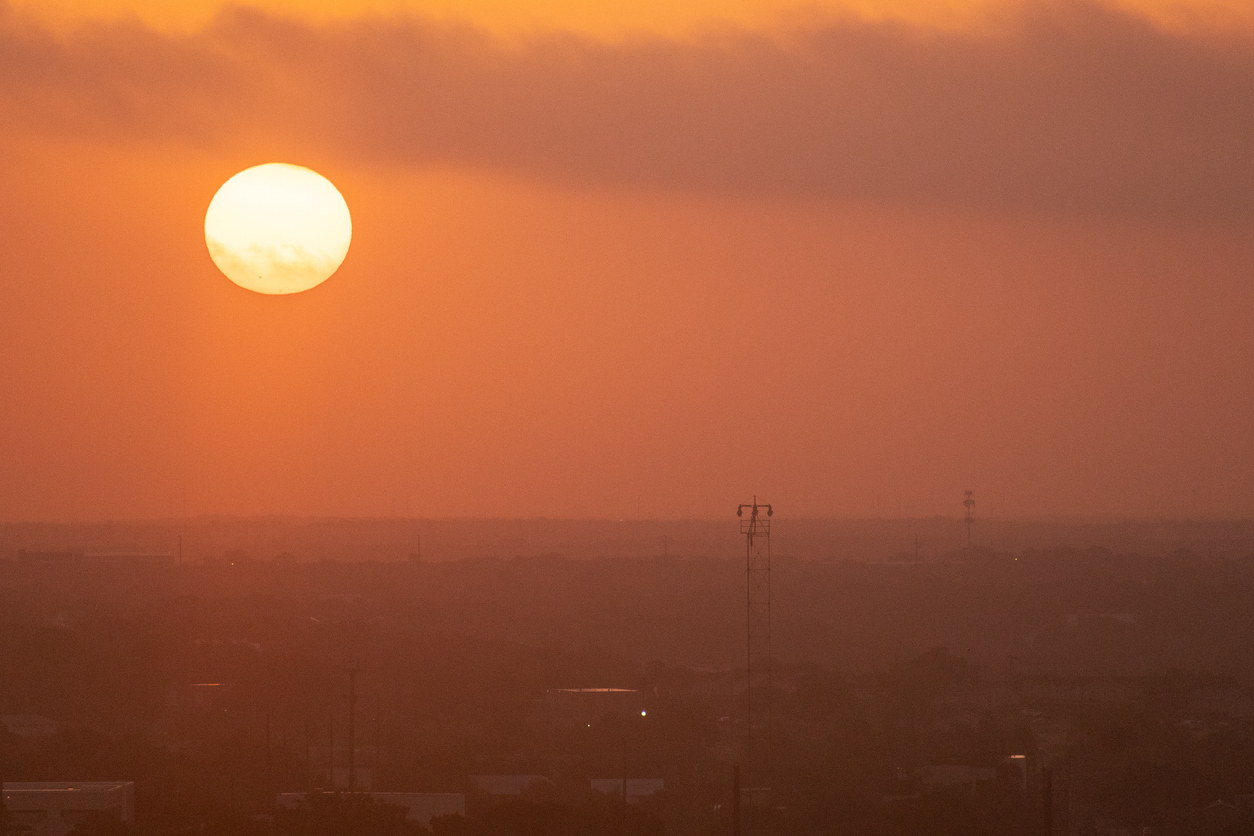
Austin has a warm climate for most of the year. Winters are mild and short, which many people enjoy. Snow is rare, and freezing temperatures do not last long.
Summers are a different story. From June through September, temperatures often climb above 95°F (35°C). Heat and humidity can feel intense, especially during long stretches without rain.
Air conditioning is essential. Outdoor activities are still popular, but many people shift them to early mornings or evenings during peak summer.
If you are moving from a cooler region, it may take time to adjust. Staying hydrated and planning your day around the heat becomes part of daily life.
Outdoor Life Is a Big Part of the Culture

Despite the heat, Austin offers plenty of outdoor spaces. Nature is woven into the city, giving residents many ways to stay active.
Popular outdoor spots include:
- Lady Bird Lake for kayaking and paddleboarding
- Barton Springs Pool, a natural spring-fed swimming area
- Zilker Park for picnics, sports, and events
- Hiking and biking trails throughout the city
Even with the hot weather, locals make the most of these spaces. Outdoor fitness, weekend gatherings, and water activities are all part of the lifestyle.
If you enjoy being outside, Austin provides many options to stay active year-round.
Live Music Is Everywhere

Austin is known as the “Live Music Capital of the World,” and that title is not just for show. Music is a major part of the city’s identity.
You will find live performances in:
- Bars and restaurants
- Outdoor venues
- Festivals like South by Southwest (SXSW) and Austin City Limits
Music genres vary widely. You can hear country, rock, indie, blues, and more on any given night.
Even if you are not a big music fan, the presence of live performances adds to the city’s energy. It creates a social atmosphere that makes Austin feel unique.
Food Culture Is Diverse and Creative

Austin’s food scene reflects its mix of cultures and influences. The city is famous for its barbecue and Tex-Mex, but there is much more to explore.
Food trucks are a major part of local dining. You will find them throughout the city, offering everything from tacos to international cuisine.
Popular food highlights include:
- Brisket and smoked meats from local barbecue spots
- Breakfast tacos, a staple in Austin
- Innovative dishes from chefs blending global flavors
The dining scene ranges from casual to upscale, with new restaurants opening often. Whether you enjoy simple street food or creative dining experiences, Austin has plenty to offer.
Neighborhoods Have Distinct Personalities

Austin is made up of many neighborhoods, each with its own feel. Choosing the right area is one of the most important parts of your move.
A few examples:
- Downtown: Busy, modern, and close to nightlife and offices
- South Congress (SoCo): Trendy, walkable, and full of shops and cafes
- East Austin: Creative and rapidly developing
- North Austin: More suburban, often more affordable
- West Austin: Scenic, quieter, and often more expensive
Your lifestyle, budget, and work location will help guide your choice. Visiting neighborhoods in person, if possible, can give you a better sense of where you will feel most comfortable.
Education and Schools

Austin has a mix of public and private schools, along with higher education institutions.
The University of Texas at Austin is one of the largest and most well-known universities in the country. It brings a strong student presence to the city and contributes to its research and innovation environment.
Public school quality varies by district and neighborhood. Families often research school ratings carefully before choosing where to live.
If education is a priority, take time to explore:
- School district performance
- Nearby educational resources
- Access to colleges or training programs
A Laid-Back Culture With a Creative Edge
Austin has a reputation for being relaxed and open-minded. The phrase “Keep Austin Weird” reflects the city’s appreciation for creativity and individuality.
You will notice:
- Casual dress codes in many workplaces
- A mix of artistic and tech-driven communities
- A strong support for local businesses and events
This atmosphere makes it easy to meet people and get involved in the community. Whether you are attending a local festival or exploring a neighborhood market, there is a sense of openness that defines the city.
Property Taxes Can Be High
While Texas does not have a state income tax, it does rely heavily on property taxes. In Austin, these taxes can be significant.
If you plan to buy a home, it is important to factor property taxes into your budget. They can add a noticeable amount to your monthly housing costs.
Renters may also feel the impact indirectly, as landlords often adjust rent to cover rising expenses.
Understanding these costs ahead of time helps avoid surprises after you move.
Growth Brings Opportunity and Change
Austin’s rapid growth has created both excitement and tension. New businesses, infrastructure projects, and cultural developments continue to shape the city.
At the same time, long-time residents sometimes feel the effects of rising costs and changing neighborhoods.
As a new resident, you will be part of that ongoing change. It is worth learning about the city’s history and supporting local communities where possible.
Final Thoughts
Moving to Austin can be an exciting step. The city offers strong job opportunities, a lively cultural scene, and plenty of ways to enjoy life both indoors and outdoors.
At the same time, it comes with challenges like higher costs, traffic, and intense summer heat. Knowing what to expect helps you prepare and adjust more easily.
If you take the time to research neighborhoods, plan your budget, and understand the local lifestyle, Austin can be a rewarding place to call home.